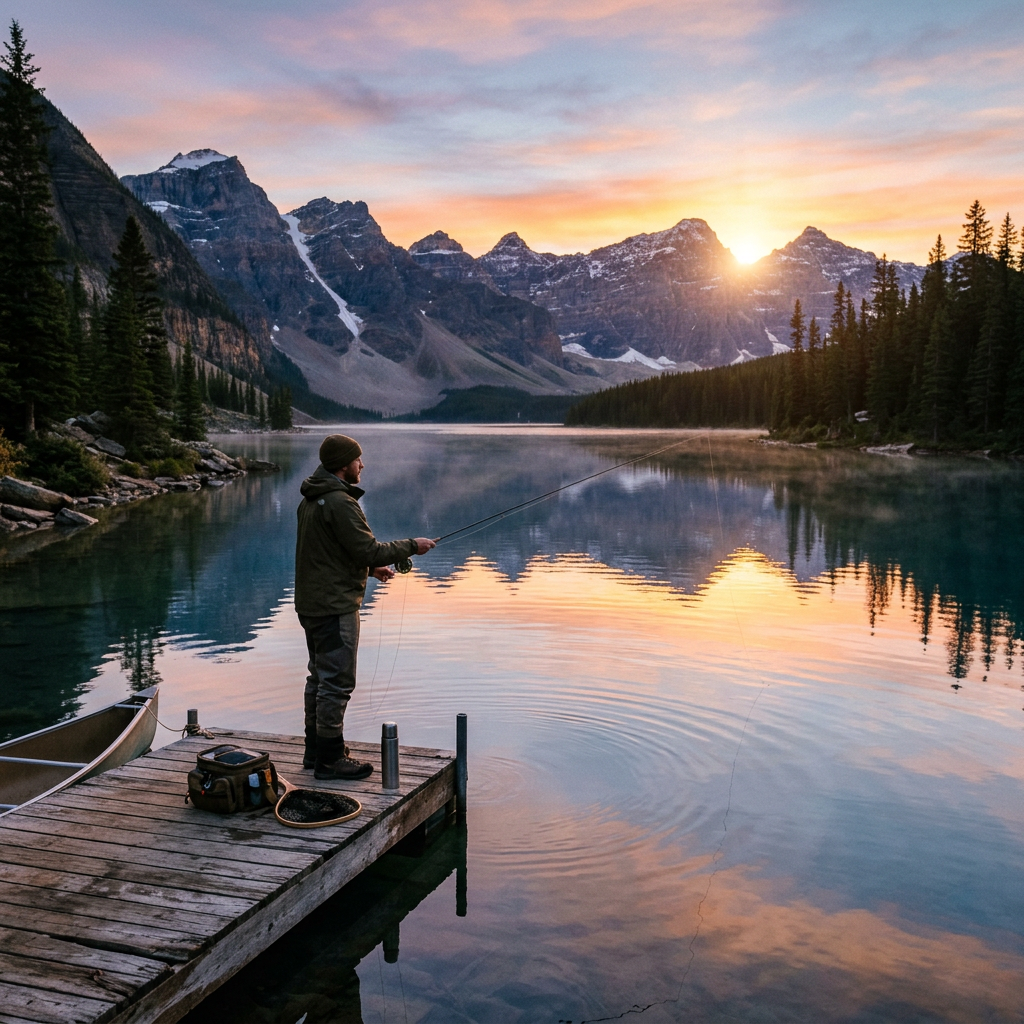
There’s something almost magical about waking up to the sound of a river before the rest of the world has stirred. The smell of pine, the bite of cold morning air, a fly rod in your hand, and miles of trail still ahead — this is the outdoor adventure trifecta: fishing, hiking, and camping combined into one immersive experience that resets you from the inside out.
If you’ve been doing each of these activities separately, you’ve only been getting a fraction of what the wilderness has to offer. Combining all three into a single trip doesn’t just save time — it creates a richer, more layered adventure that most outdoor enthusiasts never fully explore. In this guide, we’ll show you how to plan it, what to pack, and where to go to make your next trip unforgettable.
Why Combine Fishing, Hiking, and Camping?
Most people camp near a trailhead. Some hike to a fishing spot. Very few build a trip around doing all three with intentionality and purpose. Here’s why you should.
Access beats everyone else. The best fishing holes aren’t roadside. They’re three, five, or ten miles in — past where the casual angler gives up and turns back. When you’re willing to hike in with a pack and spend the night, you unlock water that rarely sees a lure. Wild trout in remote alpine lakes. Bass in backcountry reservoirs. Brown trout stacked in canyon stretches where no one bothers to go. Your effort becomes your competitive advantage.
The experience compounds. A single afternoon hike is great. A solo fishing trip is peaceful. But three days of hiking into a new lake basin each morning, fishing until the light goes flat, then returning to camp with sore legs and a story — that’s the kind of outdoor adventure that stays with you for years. The physical effort amplifies the reward. The isolation sharpens every sense.
You slow down. Without cell service or a parking lot nearby, you stop rushing. You read the water longer. You notice the osprey circling. You eat dinner watching the alpenglow fade off a ridgeline. This is what the outdoors is actually for.
Planning Your Trip: The Three-Phase Framework
Phase 1 — Pick Your Anchor Water
Every great fishing-hiking-camping trip starts with finding the right body of water. This is your anchor point — everything else radiates from it.
When scouting locations, prioritize:
- Elevation gain as a barrier. The harder it is to get there, the less pressure the fish see. Target lakes above 8,000 feet or streams that require at least a 4-mile approach.
- Seasonal timing. Alpine lakes often don’t become fishable until July. Lower-elevation rivers can be blown out in spring runoff. Check state fish and wildlife reports before committing to a destination.
- Species and regulations. Know what’s in the water before you go. Many backcountry lakes are stocked with cutthroat or golden trout. Others hold native brook trout. Check your state’s fishing regulations and pick up a backcountry license if required.
Good resources for locating remote fishing water include state wildlife agency databases, onX Maps (which shows fishing access overlays), and Fishbrain’s community reports.
Phase 2 — Design Your Hiking Route
Once you have your anchor water, build a hiking route that makes sense for your fitness level and time available.
A well-designed route for this type of trip usually looks like one of three patterns:
Point-to-point: Hike in from one trailhead, fish and camp for several days, exit at a different trailhead. Requires a vehicle shuttle but lets you cover maximum ground.
Lollipop loop: Hike a stem trail to a base camp, then make loop day hikes from that central point to access different fishing water each day. Great for families or groups with mixed fitness levels.
Out-and-back: Simple, reliable, and easy to adjust. Hike in, establish camp, fish your way in and out. Best for first-timers combining all three activities.
Whatever route you choose, plan for no more than 8–10 miles per day if you’re carrying a full pack with fishing gear. Twelve miles is doable for experienced backpackers but leaves little energy for fishing.
Phase 3 — Build Your Gear System
Here’s where most people go wrong: they pack like they’re doing three separate trips. Don’t. Build a unified gear system that serves all three activities without redundancy.
The core pack: A 50–65 liter backpack is the sweet spot for 3–4 night trips. Ultralight options from brands like Osprey, Hyperlite Mountain Gear, or ULA Circuit keep your base weight manageable when you’re adding fishing gear.
Camping essentials:
- A 3-season tent rated for surprise alpine weather
- A sleeping bag appropriate for nighttime lows (go 10°F colder than forecast at elevation)
- A compact cook system — a titanium pot, a canister stove, and freeze-dried meals are your friends
- A water filter — never skip this in backcountry
Hiking gear:
- Broken-in trail runners or light hiking boots
- Trekking poles (non-negotiable on off-trail terrain)
- Layering system: moisture-wicking base, insulating mid-layer, waterproof shell
Fishing gear — keep it lean:
- A 4-piece backpacking fly rod (7’6″ to 8’6″, 4-weight is incredibly versatile) or an ultralight spinning rod that breaks down small
- A lightweight reel and 100 yards of appropriate line
- A small fly box or a handful of proven lures — elk hair caddis, parachute adams, and a few wooly buggers cover most backcountry situations
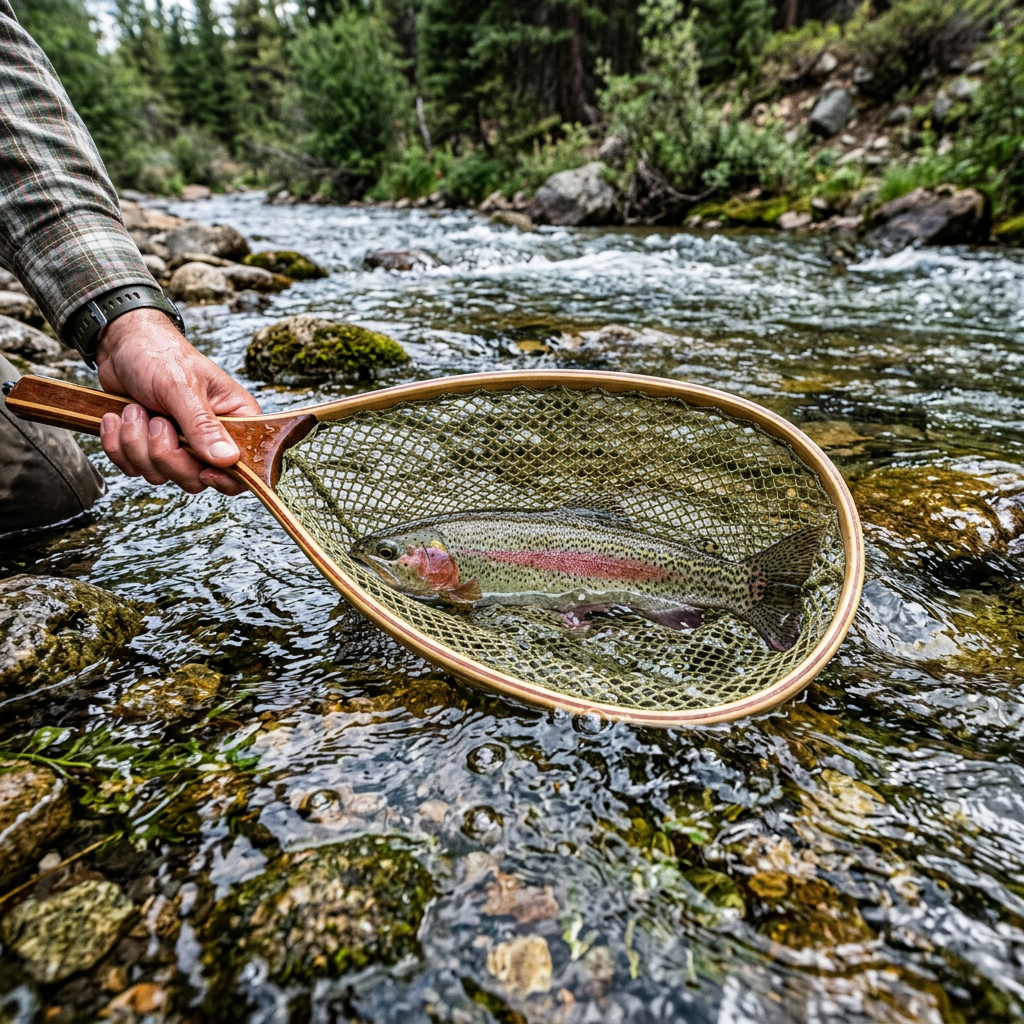
- A fishing license, a small net, and forceps for releasing fish cleanly
Total pack weight with all three systems should land between 28 and 38 pounds depending on your food and shelter choices. That’s heavy but manageable for the reward you’re getting.
On the Water: Tips That Actually Work in the Backcountry
Backcountry fishing plays by different rules than your local reservoir. Here’s what experienced anglers know that beginners don’t:
Fish early and late, hike mid-day. The hour after dawn and the two hours before dark are prime feeding windows in most backcountry lakes and streams. Use the bright mid-day hours to cover trail miles or scout new water.
Go smaller than you think. Remote fish that rarely see artificial presentations aren’t always leader-shy, but they’re often smaller than stocked or hatchery fish. Downsize your flies and lures. A size 18 dry fly that looks absurd at home can absolutely slay at 10,000 feet.
Read structure, not just water. Look for underwater drop-offs, submerged timber, inlet streams, and shaded banks. In alpine lakes especially, fish hold near structure during bright conditions and move to flats in low light.
Practice catch and release. Remote fisheries are fragile ecosystems. Keep a fish for dinner occasionally if regulations allow, but release the majority — especially spawning fish — with care. Wet your hands, minimize air time, and watch the fish swim strong before you walk away.
Leave No Trace: The Non-Negotiable Foundation
With great access comes great responsibility. The places that offer the best fishing, hiking, and camping experiences are also the most vulnerable to damage from poor practices. Follow Leave No Trace principles on every trip:
- Camp 200 feet from water. Protects riparian zones and keeps human impact away from where animals drink and spawn.
- Pack out everything. Fishing line, food scraps, even biodegradable waste in high-elevation areas where decomposition is slow.
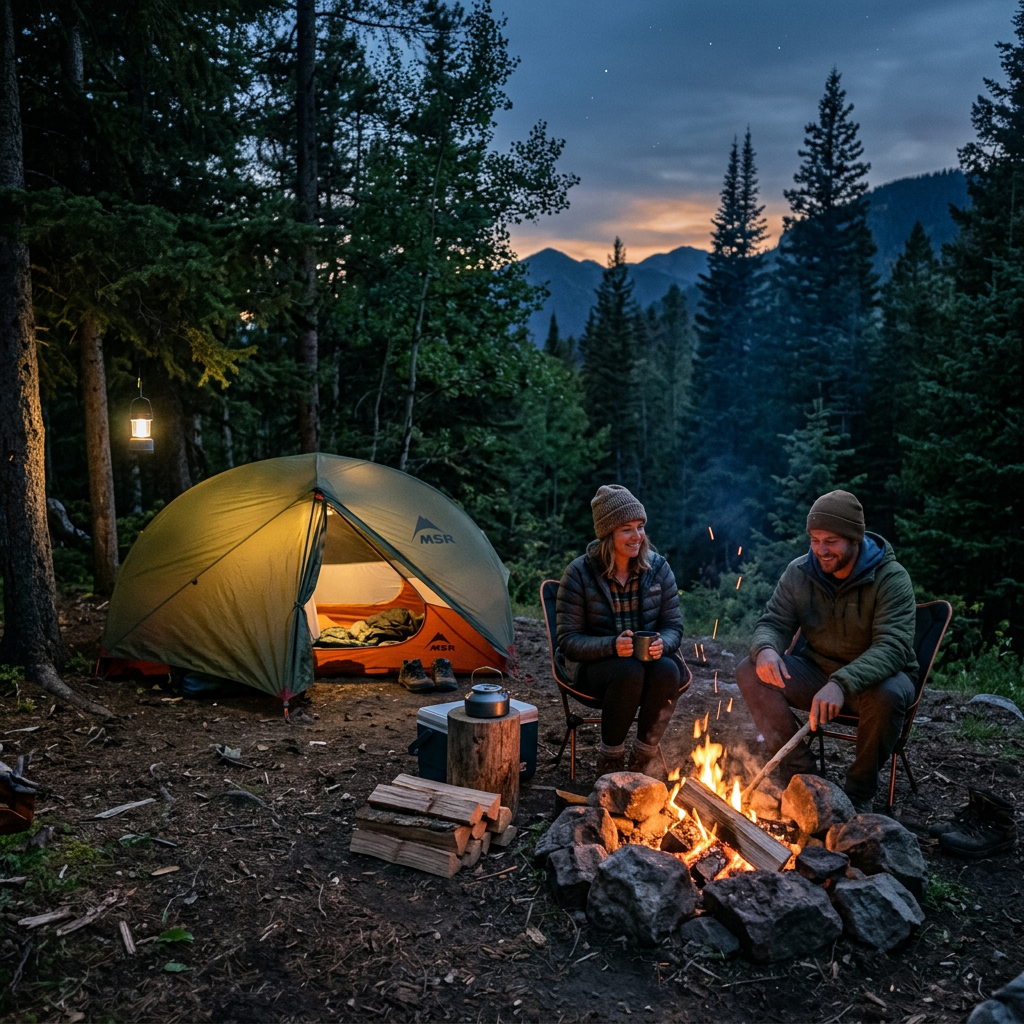
- Use a fire ring only where established. Above treeline and in drought conditions, skip the campfire entirely. A lightweight camp stove is cleaner and safer.
- Respect wildlife. You’re in their home. Keep food in bear canisters, hang it properly, or use an Ursack in areas without bear activity. Store scented items — including fishing gear and catch — away from your sleeping area.
The backcountry stays beautiful because people choose to treat it that way. Be one of those people.
Three Destinations Worth the Hike
If you’re looking for inspiration, these areas consistently deliver on all three fronts:
The Wind River Range, Wyoming — Some of the most spectacular backcountry fishing in the lower 48. Hundreds of high alpine lakes loaded with cutthroat and golden trout, surrounded by dramatic granite peaks and long ridgeline trails.
The Boundary Waters Canoe Area Wilderness, Minnesota — Swap the backpack for a canoe, and the concept stays the same. Fish walleye, pike, and smallmouth while camping on pristine lake islands accessible only by paddle.
The Bob Marshall Wilderness, Montana — Known as “The Bob,” this massive roadless area holds remote cutthroat streams and ridge-to-ridge hiking with almost no crowds once you get past the first ten miles.
Final Thought: Go Further Than Comfortable
The outdoor adventure trifecta isn’t just a trip format — it’s a philosophy. It says you’re willing to earn the experience, carry the weight, and sit with discomfort until it transforms into something better. The fish you catch after a 9-mile hike tastes different than the one you caught from the bank of a parking-lot lake. The campfire hits differently when you built it at the end of a full day in the wilderness.
So go further than comfortable. Hike past the easy water. Set up camp where the trail ends. Cast into the dark.
That’s where the best adventures live.
Have a favorite fishing-hiking-camping destination? Drop it in the comments — we’d love to hear where you’re adventuring this season.
Leave a Reply